Bulky Waste Removal Costs UK: What to Expect in 2026
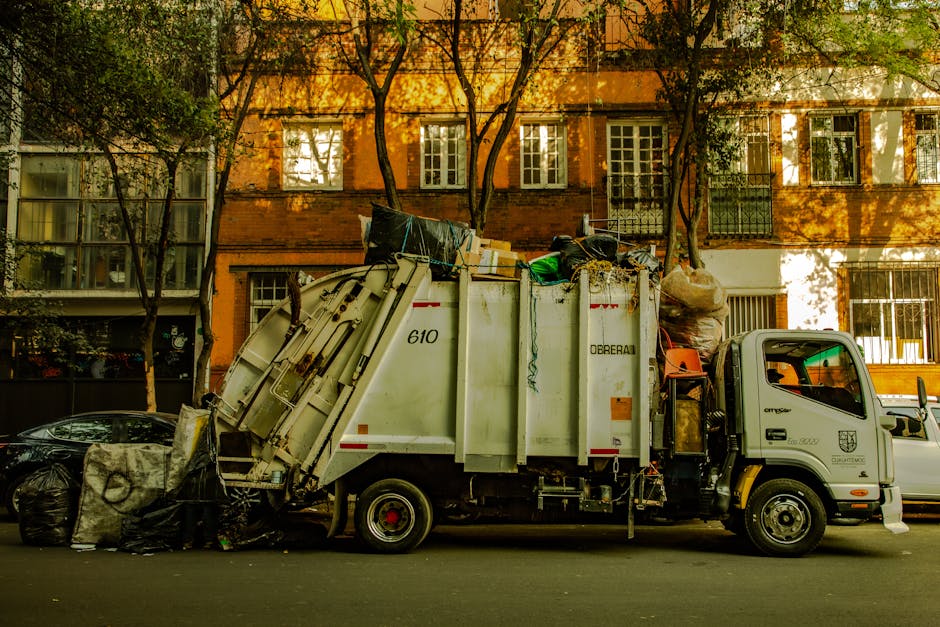
If you're trying to work out bulky waste removal costs in the UK for 2026, you're probably after one thing: a clear answer without the fluff. Fair enough. Whether you're clearing an old sofa after a move, getting rid of a mattress that's seen better days, or dealing with a full garage sort-out, the price can feel annoyingly unclear at first glance.
The truth is, bulky waste pricing in 2026 will still depend on the same practical things: what you're throwing away, how much there is, where it's collected from, and whether the load needs extra handling. In this guide, we'll break down what to expect, what pushes costs up or down, how the process works, and how to avoid the common mistakes that lead to overpaying. We'll also point you to useful support pages like pricing and quotes, recycling and sustainability, and health and safety policy so you can make a better decision, not just a quicker one.
And yes, there are ways to save money without cutting corners. Sometimes the difference is as simple as sorting items properly before collection. Sometimes it's choosing the right service for the job. Let's get into it.
- Why this matters in 2026
- How bulky waste removal works
- Key benefits and practical advantages
- Who it's for and when it makes sense
- Step-by-step guidance
- Expert tips for better results
- Common mistakes to avoid
- Tools, resources and recommendations
- Law, compliance, standards and best practice
- Options, methods and cost comparison
- Case study or real-world example
- Practical checklist
- Conclusion
- Frequently asked questions
Why Bulky Waste Removal Costs UK: What to Expect in 2026 Matters
Bulky waste removal is one of those household jobs that seems simple until you actually start pricing it. A single item can be manageable. A mixed pile of furniture, white goods, and DIY leftovers? That's where the price starts to move.
In 2026, the reason this matters is straightforward: households are still paying for convenience, speed, and proper disposal, while councils and private operators may price very differently. If you don't understand the cost drivers, you can end up comparing apples with oranges. One quote may include labour, loading, disposal, and recycling. Another may look cheaper but charge extra for access issues, heavier items, or lifting from inside the property.
There's also a trust angle. Waste removal isn't just about getting rid of clutter. It's about knowing the job will be done safely, legally, and with the right handling. That's why it helps to review practical pages such as insurance and safety and the payment and security information before you book. A cheap collection is not such a bargain if it creates hassle later.
For many people, the real question isn't "how much does it cost?" It's "what am I actually paying for?" That's the better question, to be fair. Once you know that, the pricing starts to make sense.
Table of Contents
- Why Bulky Waste Removal Costs UK: What to Expect in 2026 Matters
- How Bulky Waste Removal Costs UK: What to Expect in 2026 Works
- Key Benefits and Practical Advantages
- Who This Is For and When It Makes Sense
- Step-by-Step Guidance
- Expert Tips for Better Results
- Common Mistakes to Avoid
- Tools, Resources and Recommendations
- Law, Compliance, Standards, or Best Practice
- Options, Methods, or Comparison Table
- Case Study or Real-World Example
- Practical Checklist
- Conclusion
- Frequently Asked Questions
How Bulky Waste Removal Costs UK: What to Expect in 2026 Works
Most bulky waste services in the UK price jobs using a combination of volume, item type, weight, collection access, and disposal route. In plain English: the more difficult or space-consuming the waste, the more it usually costs.
Here's the basic flow.
- You describe the load. This may be one item, a few items, or a full mixed collection.
- You request a quote. Many services now give guidance online or by phone, and some can quote from photos.
- The collection is scheduled. Some jobs are next-day or even same-day, while others need a wider window.
- The team arrives and confirms the load. If the description matches, the job moves ahead. If not, the price may be adjusted.
- The items are removed and processed. Reusable or recyclable material should be separated where possible.
Costs in 2026 are likely to remain sensitive to fuel, labour, disposal fees, and recycling requirements. That doesn't mean prices will be wildly unpredictable. It means you should expect clearer breakdowns and, ideally, more transparent quotes. If a provider offers a strong quote process, that's usually a good sign. You can see how a professional service frames this on the pricing and quotes page.
A useful way to think about it: bulky waste removal is not a single "standard" service. It's a collection service tailored to the size and complexity of the job. Small job, small load, simple access? Lower cost. Tricky access, heavy items, mixed waste, basement flat, no lift? The price tends to climb. Not rocket science, but easy to miss when you're rushing.
Key Benefits and Practical Advantages
People often focus on the cost alone, but the real value is in what you avoid: lost time, manual lifting, hire van hassles, and the headache of trying to dispose of everything yourself.
Here are the main advantages of using a bulky waste collection service:
- Convenience: You don't have to load everything into a car or trailer.
- Speed: A single booking can clear a space in one visit.
- Safer handling: Large items like wardrobes, beds, and fridges can be awkward and genuinely risky to move.
- Better sorting: A good provider will separate recyclable materials where possible.
- Less disruption: Useful if you're in the middle of a move, probate clearance, office refresh, or end-of-tenancy clean.
There's also a surprisingly big emotional benefit. Clearing a cluttered room can feel like opening a window on a cold morning. Suddenly, the space looks usable again. You can breathe. A lot of people underestimate that part.
If sustainability matters to you, check a provider's approach to waste streams and recovery. The recycling and sustainability page is worth a look if you want reassurance that items aren't just being tipped and forgotten.
And here's the simple reality: paying a bit more for a properly handled collection often saves money in the long run, especially when you factor in your own time, transport, and the possibility of getting disposal wrong.
Who This Is For and When It Makes Sense
Bulky waste removal is for anyone who has items too large, too awkward, or too numerous for normal household bins. That sounds obvious, but the use cases are broader than most people think.
It makes sense if you're:
- moving home and need to reduce what you take with you
- clearing out a garage, loft, shed, or spare room
- replacing old furniture or appliances
- dealing with rental voids or end-of-tenancy waste
- sorting through an estate or probate property
- renovating and left with awkward leftover items
- handling a garden clear-out with oversized waste
It's also useful for small landlords, letting agents, local businesses, and property managers who need a fast turnaround. If a room has to be reset before viewings, waiting around for a council slot may not be practical. That's where a collection service with straightforward booking can help.
For homeowners in places like Watford, Reading, or Central London, access and parking can become part of the cost conversation too. Narrow streets, permit zones, and stairs all matter. City life, eh?
Sometimes the decision is less about whether to remove bulky waste and more about when. If the pile is growing, if it's blocking a room, or if you're tired of stepping around it every day, that's usually your sign.
Step-by-Step Guidance
Here's the most practical way to approach bulky waste removal in 2026 without losing control of the budget.
1. Sort the items first
Separate furniture, white goods, soft furnishings, and general rubbish if you can. Mixed loads are fine, but clear sorting often helps with pricing and recycling.
2. Identify anything restricted
Some items need special handling, especially if they contain refrigerants, electrical components, or sharp edges. Don't guess. Flag them early.
3. Measure the space and access
Note staircases, narrow hallways, parking restrictions, lift access, and any long carrying distance from property to vehicle. These details can affect the quote more than people expect.
4. Get a proper quote
Use a service that explains how pricing works. A transparent provider should be able to tell you whether the quote is based on item count, volume, weight, or a combination. If you need a starting point, the pricing and quotes page is a helpful reference.
5. Ask what is included
Check whether the price covers loading, disposal, labour, VAT if applicable, and any access charges. No one likes a surprise add-on at the door.
6. Confirm safety and liability details
This is not the glamorous bit, but it matters. Ask how the company manages lifting, site safety, and insurance. The health and safety policy and insurance and safety pages can help you judge whether a provider takes the job seriously.
7. Prepare the items for collection day
Put items somewhere easy to reach if you can. Remove small personal belongings, flatten what you safely can, and keep doors or gates open if access is needed. That small bit of prep can shave time off the job.
8. Keep the paperwork or quote confirmation
A written quote, invoice, or booking confirmation gives you a clear record of what was agreed. Handy if something changes. Very handy, actually.
Expert Tips for Better Results
Small adjustments can make bulky waste removal cheaper and less stressful. In our experience, the people who get the best value are usually the ones who prepare a bit before collection day.
- Group items by type. It helps the team assess the job quickly and can reduce confusion.
- Be honest about the load. Understating the amount often backfires and slows the collection down.
- Photograph awkward items. This is especially useful for heavy or unusual pieces.
- Ask about recycling routes. A responsible collection should aim to recover reusable material where possible.
- Choose the right time. If you're flexible, you may find better availability outside the busiest moving weekends.
One practical tip that gets overlooked: if you have a set of items that could be moved in one go, keep them together. A sofa in one room, a broken bed in another, and two wardrobes in the loft can add unnecessary labour time. That's often where the price creeps up.
Also, don't be afraid to ask a basic question like, "What would make this quote go up?" It's a good question. A very good one. Any decent operator should answer it plainly.
Common Mistakes to Avoid
The most expensive bulky waste jobs are not always the biggest ones. They're often the ones where the customer and the provider never quite had the same picture of the job.
- Booking on price alone. The cheapest headline figure may not include collection labour or disposal fees.
- Not checking access. A fifth-floor flat with no lift is a different job from a ground-floor house, even if the items look identical on paper.
- Mixing restricted items with general waste. That can complicate collection and disposal.
- Ignoring recycling potential. Some items may be recyclable or reusable, which can affect how the load is processed.
- Waiting until the last minute. Urgent bookings are often more expensive, especially around weekends and month-end moves.
- Assuming all bulky waste is handled the same way. It isn't.
There's another one, too: forgetting to read the company's complaint route or service terms. It may not be exciting reading, but if something goes wrong, you'll be glad you checked the complaints procedure. Hopefully you never need it. Still, good to know it exists.
Tools, Resources and Recommendations
You don't need specialist equipment to prepare for a bulky waste collection, but a few simple tools make life easier.
- Measuring tape: Useful if you want to note item dimensions or access restrictions.
- Phone camera: Photos help with remote quoting and reduce misunderstandings.
- Marker pens or labels: Handy for separating what stays, what goes, and what needs to be kept aside.
- Gloves and closed shoes: Basic but sensible if you're shifting items yourself.
- Simple checklist: Helps you keep track of what's included in the collection.
For service research, start with the main bulky waste collection homepage, then move to the pricing, safety, and sustainability pages. That gives you a decent overview of how the company works and what standards it follows.
If you need a local collection, area pages can help you confirm coverage. For example, people in St Albans, Guildford, Milton Keynes, or Oxford may want a region-specific quote before they compare options. That's just practical.
One more thing: if you care about how your data is handled online, check the cookie policy. Not because it affects the waste removal itself, but because trust starts with the small stuff too.
Law, Compliance, Standards, or Best Practice
Bulky waste removal in the UK is not something to treat casually. While every booking is different, the basic expectation is that waste is collected, transported, and disposed of responsibly by a legitimate operator.
From a customer point of view, the safest approach is to work with a provider that is clear about safety, insurance, and disposal practices. You do not need to become a waste law specialist overnight, but you should expect:
- clear identification of what can and cannot be collected
- safe manual handling for large or heavy items
- appropriate vehicle use and loading practices
- proper processing of recyclable or reusable materials where possible
- transparent booking and payment terms
There's also a wider ethical side. Services that publish a modern slavery statement are signalling that they take supply chain responsibility seriously. That may sound distant from your old wardrobe, but it's all part of choosing a responsible business.
Best practice is simple in principle: don't dump, don't guess, and don't use a service that won't explain itself. If something feels vague, ask for clarification. A professional provider should be comfortable explaining how the job will be handled and what the customer is paying for.
Options, Methods, or Comparison Table
There are usually three main ways to get bulky waste removed. The right one depends on urgency, volume, and how much effort you want to take on yourself.
| Method | Best for | Typical strengths | Possible drawbacks |
|---|---|---|---|
| Council bulky waste collection | Smaller domestic jobs with flexible timing | Often straightforward for standard items; familiar process | May have limited dates, item restrictions, or less flexibility |
| Private bulky waste collection | Faster, more tailored collections | Convenient, flexible, can handle mixed or awkward loads | Usually costs more than the council route |
| Self-hire van / tip run | People with time, transport, and lifting help | Can be cost-effective for DIY movers | Time-consuming, physically demanding, and easy to get wrong |
If you're choosing between them, ask yourself one honest question: do you want the cheapest solution, or the least stressful one? The answer isn't always the same. And that's fine.
For many households, a private collection lands in the sweet spot when speed and convenience matter. For others, council collection works well if they can wait and the items fit the rules. A van hire is only really worth it if you're comfortable with lifting, loading, traffic, parking, and a tip run that may turn into a half-day errand. Which, let's face it, is not everyone's idea of fun.
Case Study or Real-World Example
A fairly typical example: a homeowner in a suburb outside London has finished a loft declutter and ends up with a broken chest of drawers, a mattress, two office chairs, a small wardrobe, and a couple of bags of mixed household waste. Nothing outrageous, but awkward enough that a normal car won't do the job.
At first, they think they only need "a bit of rubbish taken away." Then the access details come into play. The loft ladder is narrow, the hallway has a tight turn, and the parking space is a short walk from the front door. Suddenly, the job becomes more than a quick throw-in-and-go.
Here's what made the difference in that sort of scenario:
- photos were sent before booking
- items were grouped together before collection day
- the provider was told about the carry distance and access angle
- the customer chose a service that explained what was included in the quote
The result? Fewer surprises, a cleaner quote, and a faster collection. Not exactly dramatic, but that's the point. Good waste removal often looks uneventful because the planning did the heavy lifting.
If the same customer had hidden the mattress in the loft details, the quote might have been revised on arrival. That's where trust and clear communication save both sides time.
Practical Checklist
Use this quick checklist before you book.
- Have I listed every bulky item that needs removing?
- Have I separated recyclable, reusable, and general waste where possible?
- Have I noted stairs, parking, gates, lifts, or long carry distances?
- Have I checked what the quote includes?
- Do I know whether any item needs special handling?
- Have I reviewed the provider's safety and insurance information?
- Do I have the booking confirmation saved somewhere easy to find?
- Have I removed personal belongings from drawers, shelves, or hidden compartments?
- Am I clear on collection day timing and access instructions?
- Have I checked the company's support pages, including payment and security and complaints procedure?
If you can tick most of those off, you're in good shape.
Conclusion
Bulky waste removal costs in the UK for 2026 will still come down to the same essentials: the amount of waste, the type of items, access conditions, and how quickly you need the collection. The biggest mistake people make is assuming the price is just about size. It isn't. It's about the whole job.
If you take a little time to sort the items, check the access, and compare like-for-like quotes, you'll usually get a much better result. Better still, you'll avoid the awkward back-and-forth that happens when a provider is given too little information. Clear details make for cleaner pricing. Simple as that.
For most people, the best value comes from a service that is transparent, safe, and easy to deal with. That means clear pricing, proper handling, and a collection process that respects both your time and your property. The price matters, of course. But peace of mind matters too.
If you're looking for the next sensible step, start with a quote, check the service details, and choose the option that fits your load rather than the one that merely looks cheapest at first glance. That's the kind of decision you rarely regret.
Get a free quote today and see how much you can save.
Frequently Asked Questions
How much does bulky waste removal cost in the UK in 2026?
The cost depends on the size of the load, item type, access, and collection method. A small, simple job will usually cost less than a mixed load with heavy or awkward items. The most accurate answer comes from a tailored quote.
Is a private bulky waste collection cheaper than the council?
Not always. Council collections can be cheaper for straightforward domestic items, but private services may be better value if you need speed, flexibility, or help with loading. It depends on what matters more: price or convenience.
What items usually cost more to remove?
Large wardrobes, mattresses, sofas, white goods, and heavy mixed loads can cost more, especially if access is difficult. Items that need special handling may also increase the price.
Can I get a quote from photos?
Yes, many providers can estimate a job from photos, especially if the items and access are clear. Good photos usually help reduce misunderstandings and keep pricing more accurate.
Do I need to be at home for collection?
Usually yes, or at least someone should be available to confirm the items and access. Some providers may offer more flexible arrangements, but it's best to check before booking.
What if my waste is more than I first described?
The quote may need to be adjusted if the load is bigger or more complex than expected. That's why it helps to be honest and detailed from the start. Surprises are nice on birthdays, not so much on collection day.
How do I know if a bulky waste company is legitimate?
Look for clear pricing, safety information, insurance details, and transparent terms. Support pages such as insurance and safety and health and safety policy are good signs that the company takes its responsibilities seriously.
Can bulky waste be recycled?
Often, yes. Furniture, metal, wood, and some electrical items may be separated for recycling or recovery depending on condition and local processing routes. Check the provider's recycling and sustainability approach if this matters to you.
Is same-day bulky waste removal available?
Sometimes, depending on location, workload, and the size of the job. Same-day service can be convenient, but it may cost more than booking in advance.
What details should I give to get the best price?
List the items clearly, mention access restrictions, include photos if possible, and say whether the waste is mixed or separated. The more accurate your description, the more reliable the quote tends to be.
Are there extra charges for stairs or long carry distances?
There can be, because the labour involved may be greater. Not every provider charges the same way, so it's wise to ask upfront rather than find out at the doorstep.
What should I do if I'm unhappy with the service?
Start by checking the provider's complaints route and service terms. A clear complaints procedure should tell you how to raise an issue and what happens next.