Health and Safety Policy for Bulk Waste Collection
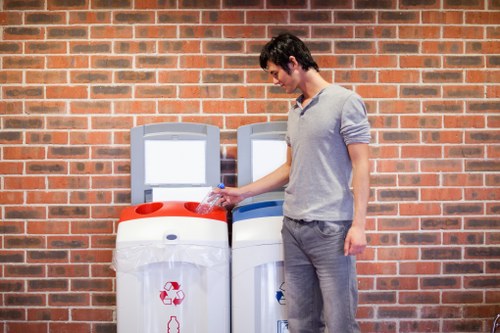 This Health and Safety policy sets out expectations, responsibilities and practical measures for safe bulk waste collection and large-item removal operations. It applies to all staff, contractors and supervisors involved in bulky waste pickup, ensuring that operations are managed to reduce risk to people, property and the environment. The policy emphasizes hazard identification, safe systems of work and continuous improvement rather than detailed local statutory references.
The scope covers collection, transport and handling of sizeable refuse, including household bulky items, commercial large-item waste and aggregated debris. It recognises specific risks such as manual handling, vehicle operations, working at kerbsides and the presence of hazardous materials within otherwise innocuous large waste loads. The intent is to ensure that bulky waste pickup activities are undertaken with appropriate controls and that all workers are competent to perform assigned tasks.
![A green and yellow rubbish collection truck, operated by Bulk Waste Collection, is parked outdoors on a dirt surface adjacent to a chain-link fence with mountainous terrain in the background. The truck features a large, cylindrical waste container with a yellow caution stripe near the rear and a black caution label, and is equipped with multiple wheels on each side. The compactor mechanism is partially visible at the top, with the rear of the vehicle in the foreground. To the right of the truck, there is a small, green, open-top skip filled with mixed waste materials, located on the same dirt surface. The sky is cloudy, with patches of sunlight illuminating the scene, suggesting an overcast day likely in a location within the UK, possibly near [POSTCODE] or the town associated with the company. The scene reflects typical rubbish removal activities by Bulk Waste Collection, grounded in an environment suitable for waste collection and disposal services in [TOWN].](/pub/_photos/rubbish/f1348772928.jpg) Key principles of this bulky waste collection safety policy include risk assessment, appropriate use of personal protective equipment (PPE), safe loading procedures and segregation of hazardous components. Supervisors must ensure that each collection is preceded by a basic site assessment to identify unsafe access, traffic hazards and the presence of items that require specialist handling. Strong communication and clear task allocation are fundamental to safe bulky rubbish removal.
Key principles of this bulky waste collection safety policy include risk assessment, appropriate use of personal protective equipment (PPE), safe loading procedures and segregation of hazardous components. Supervisors must ensure that each collection is preceded by a basic site assessment to identify unsafe access, traffic hazards and the presence of items that require specialist handling. Strong communication and clear task allocation are fundamental to safe bulky rubbish removal.
Responsibilities and Management
Management will:
- Provide resources and equipment necessary to carry out safe large-item waste collection operations;
- Ensure staff receive training and assessment for manual handling, vehicle operation and hazardous material awareness;
- Implement systems for reporting and investigating incidents and near misses related to bulk refuse removal.
Employees and contractors have a duty to follow instructions, wear required PPE and report unsafe conditions. Each worker should be able to refuse unsafe work without prejudice, and must participate in toolbox talks, briefings and any competency checks required for bulky item collection. A culture of shared responsibility improves outcomes for waste collection teams and the public.
Risk Assessment and Safe Work Procedures
 Before starting any bulky rubbish collection task, a site-specific risk assessment should be completed. This should identify hazards such as sharp objects concealed in materials, asbestos-containing items, batteries, gas cylinders and other hazardous components potentially mixed with general bulky waste. The assessment informs controls like segregation, protective clothing and exclusion zones. Procedures must address:
- Manual handling: Use team lifts, mechanical aids and correct lifting techniques to prevent musculoskeletal injury.
- Vehicle safety: Secure loads, use appropriate restraints and follow safe driving practices for collection vehicles and trailers.
- Site management: Establish safe access points, cordon off hazardous areas and manage pedestrian and traffic flow during curbside pickup.
Equipment must be maintained and inspected at defined intervals. Mechanical lifting devices, ramps and tail lifts should be operated by trained personnel only. Load limits should be clearly marked and adhered to, and any defective equipment must be taken out of service until repaired.
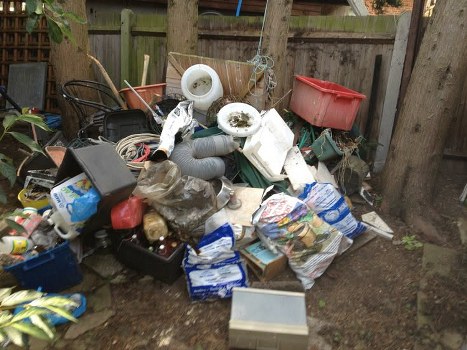 Personal protective equipment is essential during bulky waste operations. Required items typically include high-visibility clothing, safety boots, gloves suitable for handling rough or sharp materials, eye protection and, where dust or airborne contaminants may be present, appropriate respiratory protection. PPE selection should be informed by the initial risk assessment.
![A large collection of black rubbish bags are piled along the edge of a paved road, with the bags appearing to be filled with general waste. The bags are haphazardly stacked on the curb, some leaning against each other, and are situated in a roadside environment with a strip of concrete curb separating them from the road surface. Behind the rubbish bags, there is a dense backdrop of green foliage including bushes and tall trees, indicating this scene occurs in a semi-urban or suburban area near rural greenery. The sunlight illuminates the scene, highlighting the glossy, crinkled texture of the plastic bags. This image illustrates waste disposal collection in a typical local setting, relevant to rubbish removal services provided by companies such as Bulk Waste Collection in the [POSTCODE] area near [TOWN].](/pub/_photos/rubbish/f1348730880.jpg) Emergency preparedness and hazardous materials handling are core components of the policy. Procedures should define how to identify suspect hazardous items, isolate them, and engage specialist removal services when necessary. Spill kits, fire extinguishers and first-aid equipment must be readily available on vehicles and at staging areas. Staff should be trained in emergency response actions, including evacuation, basic first aid and incident notification protocols.
Emergency preparedness and hazardous materials handling are core components of the policy. Procedures should define how to identify suspect hazardous items, isolate them, and engage specialist removal services when necessary. Spill kits, fire extinguishers and first-aid equipment must be readily available on vehicles and at staging areas. Staff should be trained in emergency response actions, including evacuation, basic first aid and incident notification protocols.
Operational controls for large-item waste collection emphasize segregation at source and safe containment during transit. Where possible, recyclable components should be separated from landfill-bound items to reduce environmental impact and lower risk during handling. Sharp or volatile materials must be contained in secure packaging and handled with heightened precautions.
Monitoring, review and continuous improvement are required to ensure the bulky waste program remains effective. Regular audits, performance reviews and incident analysis should drive updates to procedures and training. Lessons learned from events must be shared across teams and incorporated into standard operating procedures for bulky rubbish pickup.
Training and competency verification must be documented. Practical assessments for vehicle crew members, refresher courses and scenario-based drills help maintain readiness. All training outcomes should be recorded and reviewed periodically to ensure that personnel remain competent in safe bulky waste collection practices.
Record keeping is essential: risk assessments, equipment inspection logs, training records and incident reports form the basis for continual safety assurance. These records enable managers to identify trends and allocate resources to areas of greatest need within the bulky waste removal service.
In summary, this policy outlines a systematic approach to risk management for bulk waste collection and bulky item removal, focusing on prevention, preparedness and people. Adherence to the policy will reduce injuries, protect equipment and safeguard public spaces while maintaining efficient, responsible large-scale refuse collection operations.