
Insurance and Safety for Bulk Waste Collection
Bulk waste collection demands a robust combination of insurance, staff competence, and strict safety measures. Whether called bulky waste removal or bulk rubbish pickup, operations expose teams and the public to hazards that must be managed proactively. This page outlines how comprehensive public liability protection, targeted staff training, appropriate personal protective equipment, and a systematic risk assessment process work together to keep operations safe and compliant.Public Liability Insurance: What Operators Need
Public liability insurance is a cornerstone for any bulky waste collection business. It protects providers against claims arising from third-party injury or property damage during a bulk waste pickup or disposal activity. Policies should explicitly cover: loading and unloading, street-side collections, and incidents involving hired vehicles. Insurers typically specify limits, exclusions, and required documentation ??? including certificates of insurance and evidence of vehicle and employer liability cover. Employers should maintain policies that reflect the scale of their bulky waste services and potential public exposure.
Key Insurance Provisions
Essential inclusions for a complete policy include cover for accidental damage, personal injury to members of the public, defence costs, and legal expenses. Operators should also review sub-limits for specific risks (for example, accidental environmental contamination during bulk waste disposal). Regular review of policy limits and clauses ensures that the bulky waste removal service remains protected as the business grows and takes on larger or more complex projects.Staff Training and Competence
Trained staff are the first line of defence in safe bulky waste collection. A structured training program reduces incidents and improves operational efficiency. Training should be recorded and regularly refreshed, covering safe lifting techniques, manual handling for bulky items, traffic awareness for kerbside pickups, and correct segregation of recyclable and hazardous materials. Use of practical, scenario-based sessions helps staff recognize and react to real-world hazards.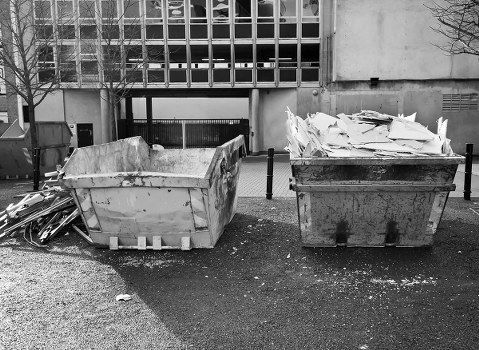
- Induction training for new team members, covering company policies and site-specific risks.
- Role-specific training such as vehicle loading, use of tail lifts, and operation of lifting equipment.
- Refresher training and toolbox talks to address seasonal risks or new waste streams.
PPE: Personal Protective Equipment
Appropriate personal protective equipment is mandatory to reduce injury risk. Standard PPE for bulk waste pickup crews includes high-visibility clothing, heavy-duty gloves, safety boots with steel toe caps, eye protection where dust or flying debris is present, and back support where manual handling of bulky items is frequent. For certain waste types, respiratory protection or cut-resistant gloves may be necessary. Regular inspection and maintenance of PPE ensures items remain effective ??? damaged gear must be replaced promptly, and staff should be trained in correct PPE use and fit.Risk Assessment Process
A formal risk assessment process provides the foundation for all safe bulky waste collection activities. The process should be systematic: identify hazards, assess the likelihood and severity of harm, implement controls, and monitor effectiveness. Common hazards include unstable loads, traffic movement, manual handling injuries, hazardous materials disguised in bulk loads, and environmental spill risks during transport.- Identify hazards: Walk-through surveys of collection sites and vehicle inspections.
- Evaluate risk: Consider frequency, exposure, and potential impact on workers and the public.
- Control measures: Engineering controls (load securing), administrative controls (permit systems), and PPE.
- Record and review: Document findings and reassess when conditions change.
Operational Controls and Safe Work Systems
Effective bulky waste pickup operations implement safe systems of work that translate risk assessments into practical steps. Controls include pre-job briefings, use of spotters when reversing vehicles, safe routes for manual handling, mechanical aids for heavy items, and segregation protocols for hazardous or reusable materials. Clear communication and standardized procedures reduce ambiguity and lower incident rates during bulky waste removal.Monitoring, Documentation and Continuous Improvement Accurate record-keeping demonstrates due diligence: training logs, inspection checklists, incident reports, and insurance documents should be readily available. Regular audits and internal reviews help identify trends and opportunities for improvement. When incidents occur, a transparent investigation process should determine root causes and corrective actions to prevent recurrence. This cycle of monitor ??? review ??? improve is central to a resilient bulk waste collection service.

Emergency Procedures and Incident Response
Every bulky waste operation must have clear emergency plans in place. These include first aid, spill containment, and procedures for dealing with hazardous materials discovered during collection. Staff must know who is responsible for immediate response, how to secure a scene to protect the public, and how to contact emergency services if necessary. Drills and scenario planning build confidence and speed of response when real incidents occur.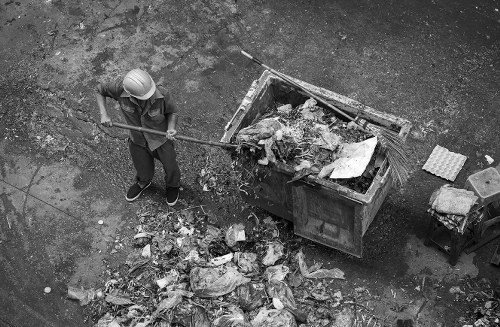 Commitment to Safety and Insurance Compliance In summary, a professional bulky waste collection service combines comprehensive public liability insurance, ongoing staff training, reliable PPE, and a diligent risk assessment process to protect workers, the public, and the environment. By embedding these elements into everyday operations and promoting a culture of safety, providers of bulk waste disposal and bulky waste removal can reduce risk, maintain regulatory compliance, and deliver reliable, responsible services.